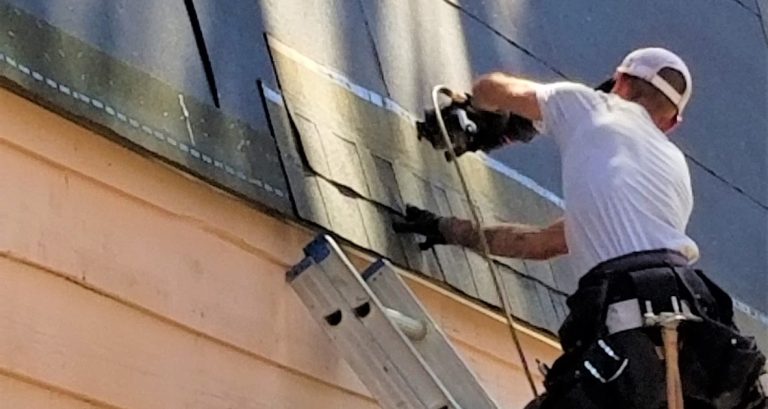
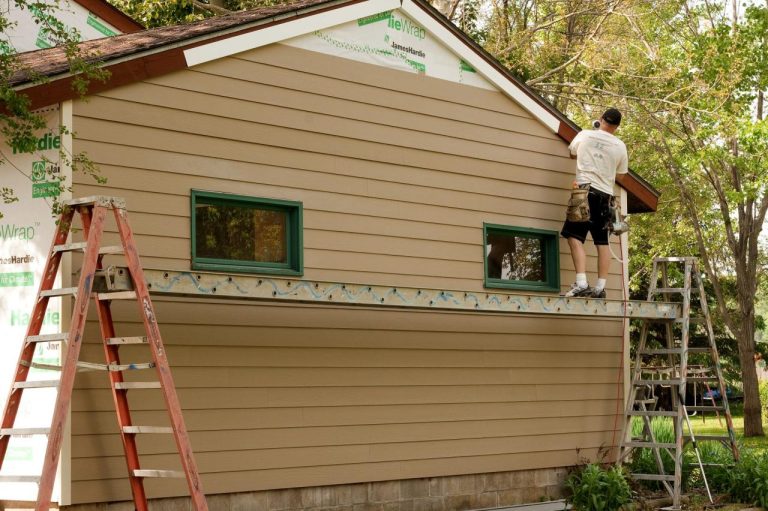
Stucco Siding Installation A Comprehensive Guide
Stucco siding installation is a multifaceted process, demanding careful planning and execution. This guide provides a thorough overview of the entire procedure, from initial site preparation to final finishing touches. We’ll explore the different types of stucco, the various installation methods, and crucial safety considerations to ensure a successful and lasting project.
From selecting the right materials to understanding proper curing times, this guide is your comprehensive resource. We’ll also delve into the nuances of different stucco finishes, installation techniques for various architectural styles, and even address common issues and their solutions. Ultimately, this guide empowers you with the knowledge needed to confidently navigate every stage of a stucco siding installation project.
Introduction to Stucco Siding Installation

Stucco siding, a popular exterior cladding material, offers a durable and aesthetically pleasing alternative to other siding options. Its versatility allows for a wide range of architectural styles and finishes, making it a suitable choice for various building types. This overview details the composition, finishes, application methods, and comparative analysis of different stucco siding types.
Stucco siding, composed primarily of Portland cement, aggregates, and water, provides a strong, weather-resistant barrier. The addition of lime or other binding agents alters the material’s characteristics and impacts the overall performance and aesthetic appeal. Its application process, often involving multiple layers and careful finishing, results in a long-lasting, durable exterior.
Stucco Materials and Composition
Stucco is a composite material, typically made of Portland cement, aggregates (sand, gravel), water, and often lime or other additives. The precise mix and proportions determine the stucco’s final properties, such as its strength, workability, and water resistance. Different types of aggregates affect the texture and color of the finished product. For example, using finer aggregates creates a smoother surface, while coarser aggregates produce a more textured look. The addition of admixtures can enhance the stucco’s performance, such as its resistance to cracking or its ability to adhere to different substrates.
Stucco Finishes and Their Characteristics
The final aesthetic of stucco siding is largely determined by the chosen finish. Common stucco finishes include smooth, roughcast, and texturized. Smooth finishes, achieved through careful application and finishing techniques, provide a sleek, modern look. Roughcast finishes create a more rustic or traditional appearance, often resembling the appearance of stone or brick. Texturized finishes offer a range of options, from subtle variations to pronounced patterns, depending on the tools and techniques used in the application process.
Stucco Application Methods
Various methods exist for applying stucco siding, each with its advantages and disadvantages. The most common method involves applying the stucco in layers using trowels and other specialized tools. Different application methods can create diverse textures and finishes. For example, using a scratch coat followed by a finish coat creates a smooth, consistent surface. Another approach involves spraying the stucco onto the surface, which is often used for large-scale projects or to achieve specific textures. The choice of application method often depends on the project’s scale, budget, and desired aesthetic.
Comparison of Stucco Siding Types
| Stucco Siding Type | Pros | Cons |
|---|---|---|
| Smooth | Sleek appearance, easy maintenance, and durability | Can be prone to cracking if not properly prepared and applied |
| Roughcast | Rustic aesthetic provides a durable exterior | Requires more labor, more prone to damage during installation |
| Texturized | Variety of textures, aesthetically pleasing, diverse options | May require more specialized application techniques, more expensive than smooth or roughcast |
Planning and Preparation for Installation
Thorough planning and preparation are crucial for a successful stucco siding installation. Proper site preparation, material selection, and meticulous measuring ensure a durable and aesthetically pleasing final product. This phase sets the stage for a smooth installation process and minimizes potential problems later on.
Careful planning and execution of the preliminary steps, including site preparation and material selection, are vital to prevent costly rework or installation delays. Adhering to these procedures will ultimately lead to a high-quality installation that meets project expectations.
Site Preparation Procedure
Careful site preparation is paramount to the success of any stucco installation. This involves more than just clearing the area; it’s about creating a stable and level surface ready to receive the stucco.
- Remove Existing Materials: All old siding, damaged or loose components, and debris must be completely removed from the surface to be treated. This ensures a clean and solid base for the stucco.
- Inspect and Repair: Inspect the substrate for any structural issues or flaws, such as cracks, gaps, or uneven surfaces. These problems need to be addressed and repaired before stucco application to prevent future problems. For example, a fractured concrete surface may require patching and reinforcement.
- Clean the Surface: Thoroughly clean the prepared surface to eliminate dust, dirt, loose particles, and any other contaminants that might interfere with the stucco’s adhesion. Use a pressure washer for effective cleaning, if necessary.
- Level the Surface: Ensure the surface is level and smooth to guarantee an even stucco application. Employ appropriate leveling techniques, such as patching or adding shims where necessary, to address any inconsistencies.
Essential Tools and Materials
The correct tools and materials are essential for efficient and high-quality stucco installation. Using substandard or inappropriate tools can lead to damaged materials, reduced efficiency, and compromised final product quality.
- Tools: Essential tools include trowels (various sizes), measuring tape, level, power drill, safety glasses, gloves, and dust masks. Specialized tools like a stucco float and edger are also necessary for achieving a smooth finish.
- Materials: Required materials include stucco mix, bonding agents, mesh reinforcement, and appropriate primers for the substrate. The type of stucco mix, bonding agent, and mesh reinforcement depend on the specific application and local climate conditions. Always consult with a professional to determine the best materials for the project.
Importance of Proper Surface Preparation
Proper surface preparation is crucial for stucco adhesion and longevity. A well-prepared surface guarantees that the stucco adheres firmly, preventing future cracking, peeling, or detachment. This step directly affects the stucco’s lifespan.
“A properly prepared surface is the foundation of a successful stucco installation.”
A poorly prepared surface may lead to a variety of issues, from minor cosmetic imperfections to significant structural problems. This is why meticulous preparation is critical. For example, a poorly prepared concrete surface may result in the stucco failing to bond properly, leading to cracking and premature deterioration.
Measuring and Marking for Accurate Application
Accurate measurements and markings are critical to ensuring a precise stucco application. Precise measurements guarantee that the stucco is applied correctly and consistently.
- Precise Measurements: Carefully measure the area to be covered to determine the precise amount of stucco mix needed. Accurate measurements prevent material waste and ensure adequate coverage.
- Marking for Accuracy: Use appropriate tools to mark out boundaries and create guidelines for a uniform and accurate application of the stucco. This step helps avoid overlaps and gaps.
Common Mistakes to Avoid
Several common mistakes can compromise the quality and longevity of a stucco installation. Anticipating and avoiding these errors will result in a successful installation.
- Insufficient Surface Preparation: Insufficient surface preparation is a frequent cause of adhesion problems and subsequent stucco failure. This can manifest as cracking or peeling.
- Incorrect Material Selection: Using inappropriate materials for the substrate or climate conditions can lead to problems like shrinkage or poor adhesion. The use of incorrect stucco mixes or bonding agents is a common issue.
- Inadequate Mixing of Materials: Insufficient mixing of stucco materials can result in an uneven consistency, affecting the final product’s quality and potentially leading to problems with application.
Safety Precautions
Safety is paramount during stucco installation. Implementing proper safety measures safeguards workers and prevents potential accidents.
| Safety Measure | Description |
|---|---|
| Protective Gear | Use safety glasses, gloves, and dust masks to protect against flying debris, chemicals, and dust. |
| Proper Ventilation | Ensure adequate ventilation to mitigate exposure to harmful fumes and dust particles. |
| Safe Handling of Materials | Handle materials with care to prevent injuries from slips, trips, or falls. |
| Work in Well-Lit Areas | Work in well-lit areas to improve visibility and minimize the risk of accidents. |
Installation Procedures
Proper stucco application requires careful attention to detail and adherence to established techniques. This section articulates the critical steps involved in creating a high-quality stucco finish, from the base coat to the final touches. A thorough understanding of each stage is essential for achieving a durable and aesthetically pleasing result.
Creating the Stucco Base Coat
The base coat forms the foundation for the stucco finish. It’s crucial for providing a strong and even surface for the subsequent coats. The base coat should be a mixture of Portland cement, fine aggregate, and water, adhering to a specific ratio for proper consistency. Consistency is key, ensuring a smooth application that adheres well to the substrate. Mixing the base coat ingredients should be done meticulously to avoid air pockets and ensure an even distribution of materials.
Applying the Finish Coat of Stucco
The finish coat is the outermost layer, responsible for the final aesthetic appeal and texture of the stucco. The finish coat mixture usually contains Portland cement, fine aggregate, and a binding agent. Applying the finish coat requires skilled techniques to achieve an even and seamless surface. The application process involves careful spreading and smoothing, ensuring the coat is consistent and free from lumps or voids.
Finishing Stucco Edges and Corners
Precise finishing of edges and corners is crucial for a professional look. Employing proper tools and techniques is vital to create sharp, clean lines. Specific tools are designed for creating crisp corners and smooth transitions between surfaces. The application should follow the contours of the structure, creating a seamless transition between different elements. Thorough attention to detail is needed to avoid imperfections at the edges.
Importance of Curing and Drying Times
Curing and drying times are essential for the long-term strength and durability of the stucco. Proper curing involves maintaining a moist environment for a specific duration, allowing the stucco to harden and strengthen properly. This period allows the stucco to bond effectively to the substrate and prevent cracking. Ignoring proper drying times can lead to premature deterioration of the stucco.
Achieving a Smooth and Even Stucco Finish
A smooth and even stucco finish is achieved through meticulous application techniques and proper tool usage. Employing a consistent trowel pressure and technique, along with a careful eye for detail, is paramount. Professional applicators use specialized tools to achieve a level surface, free from inconsistencies. Practice and experience are vital in developing the skill to apply stucco evenly.
Repairing Minor Imperfections
Minor imperfections can occur during the installation process. Addressing these promptly and efficiently is crucial for maintaining the quality of the work. Repairing imperfections typically involves patching with a suitable stucco mix and smoothing the area. Careful matching of the stucco color and texture is essential to ensure the repair blends seamlessly. Common methods for addressing imperfections include using a patching compound or adding a thin layer of stucco over the affected area.
Stucco Application Tools and Uses
| Tool | Use |
|---|---|
| Trowel (various types) | Applying base and finish coats, smoothing surfaces, and creating textures. |
| Float | Achieving a smooth, even finish on the stucco surface. |
| Edging tools | Creating clean edges and corners. |
| Grouting tools | Filling gaps and voids in the stucco. |
| Spatulas | Applying small amounts of stucco, smoothing edges, and repairing imperfections. |
Using the appropriate tools ensures efficiency and a professional result.
Finishing Touches and Considerations: Stucco Siding Installation

Source: stuccostar.com
Completing a stucco siding installation involves more than just applying the material. Careful attention to sealing, ventilation, and drainage is crucial for long-term performance and aesthetics. Proper finishing touches safeguard the investment and ensure the longevity of the stucco. This section delves into these essential aspects, outlining preventative measures and problem-solving strategies.
Sealing and Protection
Proper sealing is vital to prevent moisture penetration and protect the stucco from weathering. Application of a quality sealant, following the manufacturer’s instructions, is paramount. This creates a barrier against water damage and ensures the stucco maintains its structural integrity. Different types of stucco, such as Portland cement-based or lime-based stucco, might require specific sealants. Inspecting the application of sealant for any gaps or imperfections is a critical step to avoid future problems.
Ventilation and Drainage
Adequate ventilation and drainage are critical for preventing moisture buildup behind the stucco. Properly designed and installed flashing, particularly around windows and doors, is essential. Adequate air circulation around the stucco reduces the risk of mold and mildew. Ensure proper drainage pathways are established to prevent water from pooling near the siding. This prevents water damage and allows for proper drying. Inspecting the drainage system and ensuring its effectiveness is an essential step to avoid issues.
Common Problems and Resolutions
Stucco installation, like any construction process, can be prone to certain issues. Identifying and addressing these problems promptly is key to maintaining the quality and appearance of the finished work. Cracking, bubbling, or discoloration can be caused by improper preparation, temperature fluctuations, or poor mixing of materials. Professional guidance can help identify the root cause and recommend the best course of action.
- Cracking: Caused by temperature fluctuations or improper curing. Repair involves carefully patching the cracked areas and reinforcing the affected areas. Professional guidance may be needed for extensive cracking.
- Bubbling: Often due to moisture trapped beneath the surface. The affected areas should be carefully cleaned and resealed, ensuring that any underlying issues are resolved. A qualified professional may be required to address persistent issues.
- Discoloration: Various factors, including staining or improper curing, can cause discoloration. Consult the manufacturer’s instructions for the best cleaning and restoration methods. Addressing the root cause is essential for long-term results.
Long-Term Maintenance
Regular maintenance is crucial for maintaining the beauty and longevity of stucco siding. Regular cleaning with mild detergent and water, coupled with a thorough inspection, helps prevent the buildup of dirt, grime, and algae. Thoroughly inspect the siding for any signs of damage or deterioration. Addressing minor issues promptly will prevent them from escalating into major problems.
Different Stucco Finishes and Maintenance
Different stucco finishes have varying maintenance needs. Smooth finishes require less frequent cleaning than textured finishes, which may accumulate dirt and debris more readily. Regular cleaning and sealing are essential for all types to preserve their appearance and durability.
| Stucco Finish | Maintenance Needs |
|---|---|
| Smooth | Less frequent cleaning and sealing, and regular inspections. |
| Textured (e.g., roughcast) | More frequent cleaning, sealing every few years. |
| Stucco with decorative elements | Regular cleaning and inspection, special care for specific elements. |
Project Variations and Special Cases

Source: treehouseinternetgroup.com
Stucco siding installation, while generally straightforward, requires adaptation for diverse projects. Variations in building types, climate conditions, architectural styles, and integration with other materials demand careful planning and execution. This section delves into these nuances, ensuring a comprehensive understanding of the complexities involved.
Installation on Historical Buildings
Preserving the historical integrity of a structure is paramount when installing stucco siding. Careful consideration of the building’s original materials and construction methods is crucial. Matching stucco colors and textures to the existing aesthetic is essential. Often, specialized techniques are employed to avoid compromising the building’s structural integrity or its historical significance. This may involve using a thin layer of stucco to maintain the original appearance or using different types of stucco that are specifically compatible with the original materials.
Installation in Specific Climate Conditions
Different climates necessitate adjustments in stucco installation procedures. In regions with high humidity, moisture control is critical to prevent mold and mildew growth. Special moisture-resistant stucco types and vapor barriers might be required. Conversely, in arid climates, stucco needs to be protected from extreme temperature fluctuations. Insulation and proper ventilation strategies are vital to mitigate these effects.
Stucco Siding for Various Architectural Styles
The aesthetic appeal of stucco siding is its adaptability. For instance, a contemporary home might benefit from smooth, textured stucco, while a traditional style might call for a more rustic, aged appearance. The chosen stucco color and texture can significantly impact the overall architectural impression. This adaptability allows stucco siding to complement a wide array of architectural designs.
Integration with Other Exterior Elements
Stucco siding’s compatibility with other exterior elements like windows, doors, and trim is critical. Careful planning ensures seamless transitions and aesthetic harmony. Proper detailing around these elements is crucial to prevent water damage and maintain a cohesive look. Precise cuts and application techniques are essential for integrating stucco with other exterior materials to maintain a unified and visually appealing finish.
Installation on Complex or Curved Surfaces
Installing stucco on complex or curved surfaces requires specialized techniques and tools. Careful measuring and precise application are vital to achieving a smooth, seamless finish. Using specialized stucco application tools and techniques, like using a template or a specialized application tool, can ensure a flawless result.
Comparison of Installation Methods for Various Building Materials
| Building Material | Stucco Installation Method | Considerations |
|---|---|---|
| Wood Frame | Standard stucco application techniques, adhering to appropriate substrate preparation and reinforcement | Ensure proper flashing and sealant application around windows and doors. |
| Concrete | Adhering to the concrete’s specific surface preparation requirements, using appropriate bonding agents. | Evaluate the concrete’s moisture content before application. |
| Masonry | Matching the stucco application to the masonry’s material properties and surface texture, employing appropriate adhesives | Thorough cleaning and preparation of the masonry surface is crucial. |
Safety and Regulations
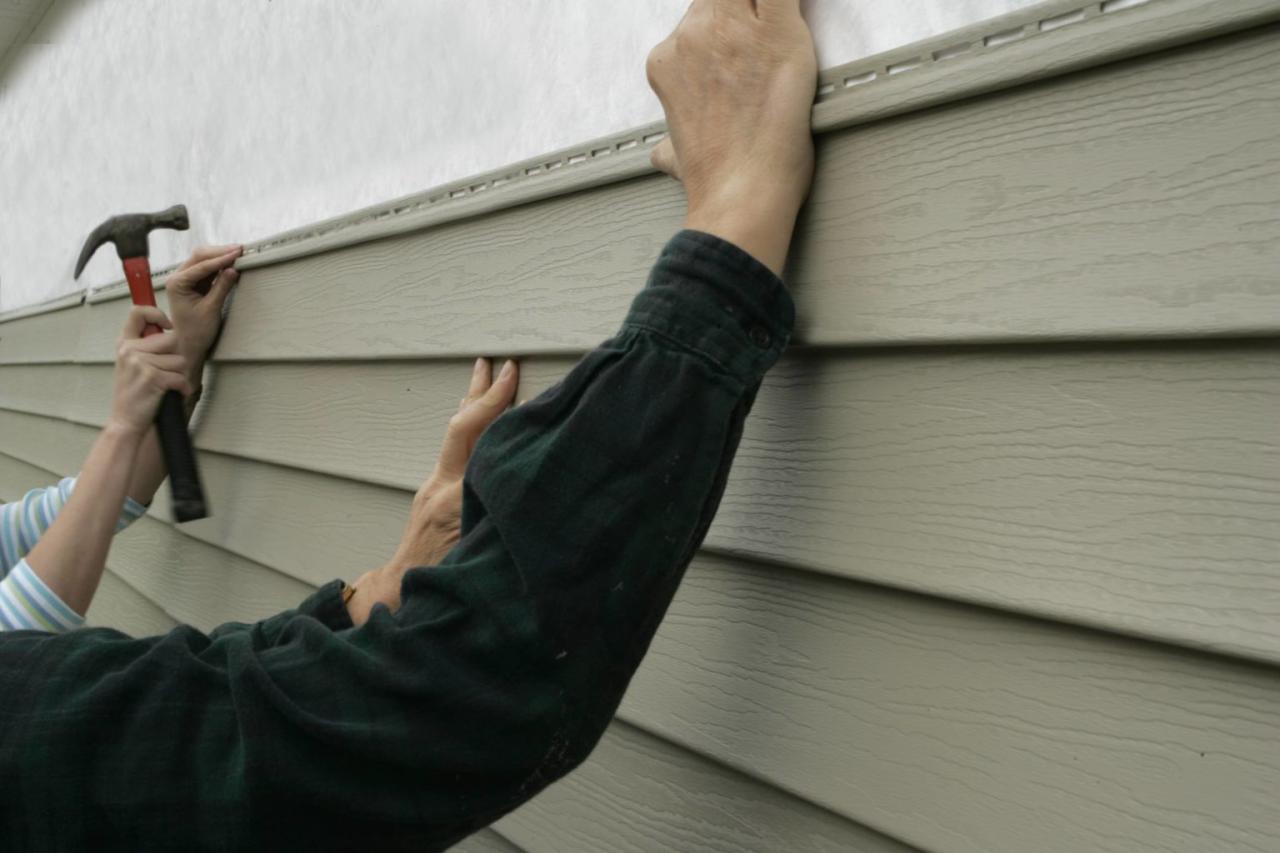
Source: avalonhomeinspections.net
Proper safety measures are paramount during stucco siding installation. Adhering to building codes and regulations, along with careful handling of materials and tools, significantly reduces the risk of accidents and ensures a successful project. This section articulates the crucial safety protocols to be followed.
Following established safety protocols and regulations is vital for the well-being of workers and the protection of property. Non-compliance can lead to costly repairs, legal repercussions, and even serious injury.
Building Codes and Regulations
Building codes and local regulations dictate the specific requirements for stucco siding installation, encompassing aspects such as material types, application methods, and safety protocols. These regulations aim to ensure the structural integrity and safety of the building and its occupants. Compliance is mandatory, and failure to comply can result in penalties or project delays.
Safety Procedures for Handling Stucco Materials and Tools
Handling stucco materials and tools safely requires meticulous attention to detail. Always use appropriate lifting techniques to avoid strain injuries. Transport materials carefully, ensuring they are not dropped or shifted during movement. Proper storage of tools and materials is essential to prevent accidents. Using sharp tools like trowels or knives requires extreme caution to avoid cuts and injuries.
Importance of Personal Protective Equipment (PPE)
Appropriate personal protective equipment (PPE) is crucial for mitigating potential hazards during stucco installation. PPE, such as safety glasses, hard hats, work gloves, and appropriate footwear, shields workers from dust, debris, and potential impacts. Workers must understand the specific hazards associated with stucco work and choose the correct PPE accordingly. For example, eye protection is essential to prevent eye injuries from flying debris.
Emergency Procedures and Contact Information
Implementing clear emergency procedures is critical for immediate response in case of accidents. Knowing the location of emergency exits, fire extinguishers, and first-aid kits is paramount. Having a readily available emergency contact list with relevant phone numbers, including emergency services, is equally vital.
Essential Safety Equipment, Stucco siding installation
| Safety Equipment | Function |
|---|---|
| Safety Glasses | Protection from flying debris and dust. |
| Hard Hat | Protection from falling objects and impact. |
| Work Gloves | Protection from cuts, abrasions, and sharp materials. |
| Work Boots | Protection from slips, trips, and falls. Provides support for the feet and ankles. |
| Dust Mask or Respirator | Protection from inhaling stucco dust. The specific type depends on the dust composition and concentration. |
| Hearing Protection | Protection from noise generated during the installation process. |
| First-Aid Kit | Essential for treating minor injuries on-site. |
Final Conclusion
In conclusion, stucco siding installation requires meticulous attention to detail throughout the entire process, from planning and preparation to finishing touches. Understanding the various stucco types, installation methods, and potential challenges is key to a successful outcome. This guide has provided a comprehensive overview, equipping you with the necessary knowledge to confidently undertake your stucco siding installation project. Remember, proper planning, adherence to safety regulations, and attention to detail are crucial for a long-lasting and aesthetically pleasing result.