Painting James Hardie Siding A Comprehensive Guide
Painting James Hardie siding is a rewarding home improvement project, transforming the look of your house while potentially increasing its value. This guide dives into every aspect of the process, from meticulous preparation to achieving a flawless finish. It details various siding types, optimal painting times, and the best paints to use, covering essential safety precautions and troubleshooting potential problems.
This guide covers everything from selecting the right paint colors and finishes to understanding different painting techniques, tools, and safety measures. We’ll also explore long-term maintenance and troubleshooting common issues, plus a cost estimation to help you plan your budget.
Introduction to James Hardie Siding
Source: pinimg.com
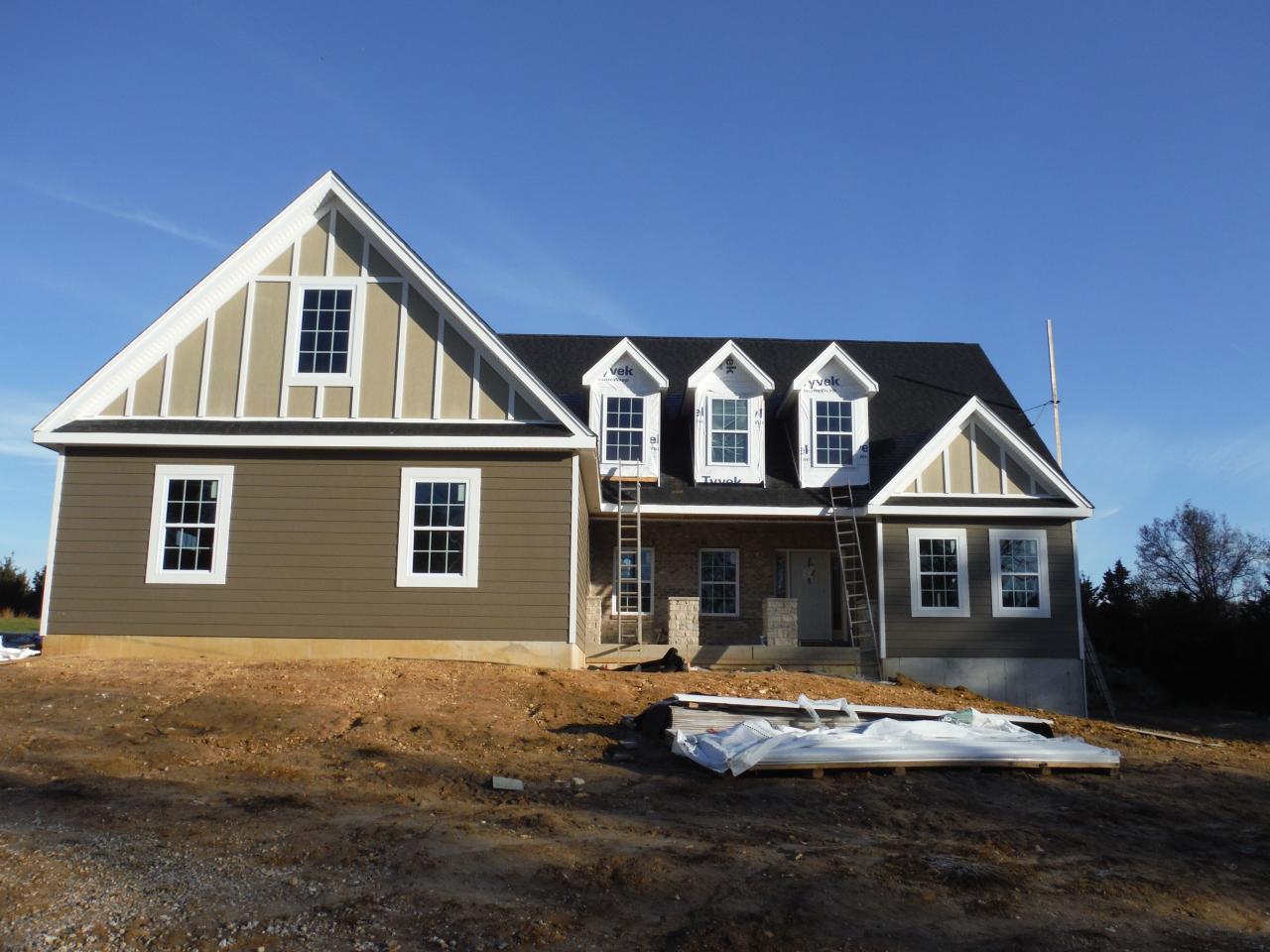
James Hardie siding is a popular choice for homeowners seeking a durable and aesthetically pleasing exterior finish. Its unique composition and manufacturing process provide exceptional resistance to rot, insects, and moisture, making it a long-term investment. This siding offers a wide range of styles and colors to complement various architectural designs.
This section delves into the specifics of James Hardie siding, covering its key features, different types, typical installation processes, and a comparison of its various siding types. Understanding these aspects is crucial for homeowners considering this material for their homes.
Types of James Hardie Siding
James Hardie siding encompasses several types, each tailored to specific needs and aesthetic preferences. The core material is fiber cement, a composite material blending cement, cellulose fibers, and other additives. This composition provides exceptional strength and durability.
- Fiber Cement Siding: This is the fundamental material for James Hardie siding. It’s highly resistant to moisture, rot, and insects, making it a durable option for long-term use. Fiber cement siding comes in various styles, such as lap siding, and can be painted or stained to match the homeowner’s desired aesthetic.
- Lap Siding: This is a classic siding style, featuring overlapping panels that create a weather-resistant barrier. It is a common choice for its traditional appearance and straightforward installation process.
- Shake Siding: Mimicking the look of natural wood shakes, this siding type provides a rustic or traditional aesthetic. Its dimensional variation enhances the visual appeal of the home exterior. The composition ensures durability and long-term performance, reducing maintenance needs.
- Panel Siding: Panel siding comes in various styles, offering diverse architectural expressions. Its consistent profile and structured design create a clean, modern aesthetic. The consistent panel shape allows for a streamlined installation process.
Installation Process
The installation of James Hardie siding typically involves several steps, ensuring a secure and weather-tight exterior. Proper installation is crucial for maximizing the siding’s lifespan and performance.
- Preparation: Thorough preparation of the existing wall structure is paramount. This includes ensuring proper drainage and reinforcing the structure where necessary to support the weight of the siding.
- Framing: Framing is crucial to accommodate the siding panels and provide the necessary support. This step involves creating the framework to securely mount the siding, which is essential for its longevity.
- Installation: Installation of the siding panels follows a specific sequence, typically overlapping the panels to create a continuous, weather-resistant barrier. Using appropriate fasteners and techniques is vital to ensure the structural integrity of the siding and its longevity.
- Finishing: The final step involves sealing and finishing the installation to ensure proper water resistance. This ensures the longevity of the siding and its ability to withstand the elements.
Comparison of James Hardie Siding Types
A comparison of James Hardie siding types highlights their unique characteristics and strengths.
| Siding Type | Pros | Cons |
|---|---|---|
| Fiber Cement Lap Siding | Excellent durability, weather resistance, long lifespan, wide range of colors and styles | It can be more expensive than other siding types, and installation can be more complex depending on the design. |
| Fiber Cement Shake Siding | Appealing aesthetic mimicking natural wood, durable, and low maintenance | Slight variation in color and pattern across panels can be more costly than other fiber cement types |
| Fiber Cement Panel Siding | Consistent and modern appearance, easy to install, good for large-scale projects | Less variety in aesthetic choices may require more specialized installation. |
Painting James Hardie Siding
Proper preparation is paramount when painting James Hardie siding. This ensures a long-lasting, aesthetically pleasing finish that withstands the elements. Neglecting proper preparation can lead to premature paint failure, requiring costly repairs and reapplication sooner than anticipated. Thorough cleaning and surface preparation are crucial steps in achieving a superior paint job.
Careful attention to detail during the preparation process is essential for optimal results. The right paint, applied correctly and with consideration for the weather, will enhance the longevity and beauty of your James Hardie siding.
Importance of Proper Preparation
Thorough preparation minimizes the risk of paint failure and ensures a long-lasting finish. A clean, properly prepared surface allows the paint to adhere effectively, reducing the likelihood of peeling, bubbling, or other issues. This crucial step prevents premature deterioration and extends the lifespan of the paint job.
Cleaning and Prepping the Siding
Proper cleaning and prepping are fundamental for a successful painting project. The siding must be thoroughly cleaned to remove dirt, mildew, and any loose debris. This involves using a power washer for large areas, followed by a thorough scrubbing with a stiff-bristled brush and a cleaning solution specifically designed for exterior surfaces. After cleaning, allow the siding to dry completely before proceeding with any further steps. Ensuring the surface is completely dry is critical to paint adhesion.
Optimal Time of Year to Paint
Painting James Hardie siding is best undertaken during the optimal time of year. The ideal time frame for painting is when temperatures are moderate, with a consistent temperature range of 60-85 degrees Fahrenheit (15-29 degrees Celsius) and low humidity. Avoid painting during periods of heavy rain, snow, or extreme heat. These conditions can negatively impact the drying process and the overall quality of the paint job.
Choosing the Right Paint for James Hardie Siding
Selecting the appropriate paint is crucial for a durable and aesthetically pleasing finish. Consider paints specifically formulated for exterior use, and especially for fiber cement siding like James Hardie. Look for paints with high adhesion, durability, and resistance to weathering. The paint’s UV resistance is also critical, preventing fading and degradation. Some paints are specifically formulated for siding with advanced UV inhibitors to help withstand the harsh elements. Always check the paint manufacturer’s recommendations for application and maintenance.
Painting Techniques for James Hardie Siding
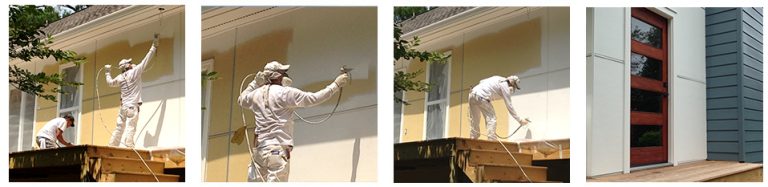
Several painting techniques are suitable for James Hardie siding. A good quality paint sprayer can ensure even coverage, especially on large areas. For detailed work or smaller areas, a high-quality paint roller or brush can be employed. A skilled painter can effectively use both techniques to achieve a professional-looking result. Ensure the paint is applied evenly in thin coats to prevent runs and drips, allowing each coat to dry thoroughly before applying the next. Professional painters often use specialized techniques to account for the texture of the siding, which can enhance the final look.
Choosing Paint Colors and Finishes
Selecting the right paint color and finish for your James Hardie siding is crucial for achieving a visually appealing and long-lasting exterior. Careful consideration of various factors, from your home’s architectural style to prevailing neighborhood aesthetics, can significantly impact the final result. This process also involves understanding the different paint finishes and their effects on the siding’s appearance and durability.
Choosing the right paint color and finish for James Hardie siding is more than just a matter of personal preference; it’s an investment in your home’s curb appeal and longevity. The correct choice enhances the visual harmony of your property while also protecting the siding from the elements. Understanding the nuances of different finishes and colors is essential to making an informed decision.
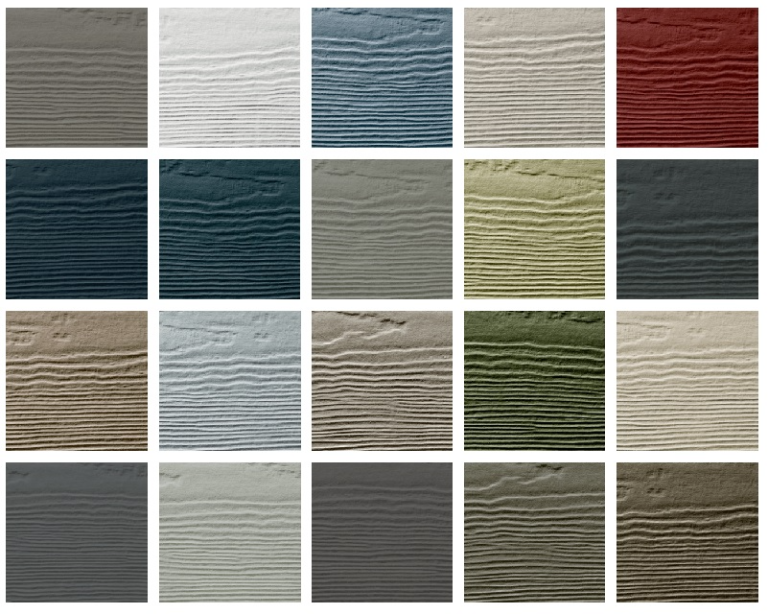
Factors Influencing Paint Color Selection
The selection of paint colors for James Hardie siding should consider various aspects to ensure a harmonious aesthetic. Home style, neighborhood character, and personal preference all play significant roles in this decision.
- Home Style: A craftsman-style home might look best with a warm, earthy tone, while a contemporary design could benefit from a bolder, more modern color palette. Matching the paint color to the existing architectural style will create a visually cohesive and appealing exterior.
- Neighborhood Aesthetics: Observing the prevailing color schemes in your neighborhood can provide valuable insight into what looks well in the area. This can help you select a color that complements your surroundings while maintaining a unique and personal touch.
- Personal Preference: Ultimately, the paint color you choose should reflect your taste and preferences. Consider colors that evoke a sense of warmth, tranquility, or modernity, and choose a hue that aligns with your overall vision for your home.
Popular and Trending Paint Colors
Trends in exterior paint colors for James Hardie siding evolve, influenced by various factors, such as architectural styles and seasonal preferences.
- Neutral Tones: Gray shades, beige, and taupe remain popular choices for their versatility and ability to complement various architectural styles. These colors are generally safe choices that can easily be updated in the future.
- Earthy Tones: Warm colors like terracotta, burnt orange, and deep greens are trending due to their ability to create a cozy and inviting atmosphere. These colors can be used to create a unique aesthetic that stands out.
- Bold Accents: Bold colors like navy blue, deep emerald green, or rich burgundy can add a dramatic touch to a home. These hues can be used strategically to accentuate specific architectural features or create a bold statement.
Creating a Mood Board for Color Visualization
A mood board is a visual representation of different color combinations and their potential impact on your home. It allows for a more intuitive understanding of how various colors will look together.
- Gathering Inspiration: Collect images of houses with James Hardie siding in different colors. Look at magazines, online resources, or even drive around your neighborhood to gather ideas.
- Color Palette Selection: Choose colors that complement your home’s style and architectural features. Consider the surrounding landscape and how the colors will interact with the natural environment.
- Visualizing Combinations: Combine images of paint colors with images of your home to visualize how different combinations might look. This allows for a realistic preview of potential outcomes before making a final decision.
Understanding Paint Finishes and Their Impact
Different paint finishes offer varying levels of sheen and durability, affecting the overall look and feel of your James Hardie siding.
| Finish | Sheen | Durability | Appearance |
|---|---|---|---|
| Matte | Low | Good | Subtle, understated |
| Satin | Medium | Good | Slightly reflective, balanced |
| Semi-Gloss | High | Good | More reflective, enhances detail |
| Gloss | Very High | Good | Highly reflective, bold |
Choosing the appropriate finish is essential for long-term protection and aesthetic appeal.
Painting Techniques and Tools
Choosing the right painting techniques and tools is crucial for achieving a professional-looking finish on James Hardie siding. Proper application ensures the paint adheres well, hides imperfections, and lasts longer, protecting your home’s exterior from the elements. Careful consideration of the tools and techniques will maximize the effectiveness of your painting project.
Effective painting requires selecting the right tools and methods for your specific James Hardie siding application. This includes considering the size of the area to be painted, the type of paint used, and the desired level of smoothness and evenness. Different tools offer unique advantages and disadvantages, making informed decisions vital for a successful outcome.
Brush Techniques
Brush techniques are best for detailed work and edges, though not as efficient for large areas. A high-quality brush with natural bristles is ideal for James Hardie siding, allowing for precise control and smooth application. Using the right brush stroke is key; short, even strokes applied in the same direction help create a seamless finish. Overlapping strokes ensure no gaps in coverage and minimize the appearance of brush marks. For more complex details, like around windows or trim, the brush method is a valuable choice.
Roller Techniques
Rollers are more efficient for larger surfaces and create a relatively smooth finish when used properly. A high-quality, nap-appropriate roller is essential for even coverage. Apply the paint in overlapping, broad strokes, ensuring consistent coverage and minimizing roller marks. Avoid applying too much paint, as this can lead to drips and uneven texture. Consider using a foam roller for a smooth finish and a textured roller for some siding textures.
Spray Techniques, Painting james hardie siding
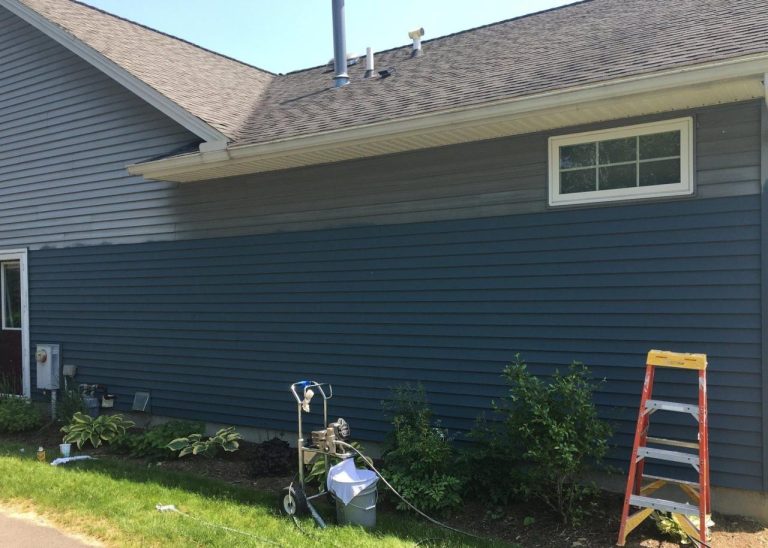
Spray painting is ideal for large areas, as it provides the fastest and most comprehensive coverage. A professional-grade sprayer with the right nozzle for your paint type is necessary. Ensure the sprayer is properly calibrated and maintained for even application. Spraying techniques, like maintaining a consistent distance from the siding and avoiding spraying in one direction, are crucial for achieving an even finish. Overspray and drips are more common with spray painting and should be accounted for in preparation.
Tools Comparison
| Tool | Pros | Cons |
|---|---|---|
| Brush | Excellent for details, edges, and trim; Precise control | Slow for large areas; Requires skill to avoid brush marks |
| Roller | Efficient for large areas; Creates a relatively smooth finish | Can be challenging for complex shapes; Requires careful technique to avoid roller marks |
| Sprayer | Fast and efficient for large areas; Provides excellent coverage | Requires careful technique to avoid overspray and drips; More expensive equipment |
Ventilation
Proper ventilation is paramount during the painting process, especially when using spray paint. Adequate airflow reduces the risk of paint fumes, which can be harmful to your health. Open windows and doors, or use fans, to circulate air and maintain a safe working environment. This step is essential for preventing respiratory issues and ensuring a safe work environment.
Achieving a Smooth Finish
A smooth, even finish is crucial for a professional look. Ensure the siding is properly cleaned and prepared before painting. Use the correct technique for your chosen tool to minimize brush marks or roller texture. Ensure adequate paint drying time between coats for a seamless finish. Check the weather forecast and plan accordingly, as wet or humid conditions can affect the paint’s drying time and result in a poor finish. Multiple thin coats of paint are often better than one thick coat for a smoother and more durable finish.
Preparation and Safety
Proper preparation and adherence to safety precautions are paramount when painting James Hardie siding. A well-planned approach minimizes risks and ensures a professional-looking finish. Ignoring safety measures can lead to costly repairs, injuries, or even health problems.
Careful preparation and adherence to safety guidelines are crucial for a successful painting project. This section details essential safety precautions, protective equipment, ventilation strategies, waste disposal, and creating a safe workspace to minimize potential hazards.
Essential Safety Precautions
Ensuring a safe work environment is vital for any painting project. Proper safety precautions help prevent accidents and protect both the painter and the surrounding areas from potential harm. These precautions are particularly important when dealing with James Hardie siding, which is a robust material that demands careful handling and consideration for the environment.
Protective Equipment
Appropriate personal protective equipment (PPE) is indispensable for a safe painting process. This includes protective gear for eyes, skin, and the respiratory system.
- Safety Glasses or Goggles: Eye protection is crucial to safeguard against flying debris, paint splatters, and chemical irritants. Safety glasses or goggles with side shields offer comprehensive eye protection.
- Gloves: Using suitable gloves prevents skin contact with paint, solvents, and other potentially harmful substances. Choose gloves made of materials resistant to the chemicals in the paint.
- Respirator: If the paint or solvents used contain volatile organic compounds (VOCs), a respirator is essential to filter harmful particles from the air. Always select a respirator appropriate for the specific chemicals used and consult safety data sheets (SDS) for proper usage and maintenance.
Ventilation Strategies
Adequate ventilation is critical to maintain safe air quality during the painting process. Poor ventilation can lead to exposure to harmful fumes and gases, impacting the painter’s health.
- Open Windows and Doors: If feasible, open windows and doors to allow fresh air to circulate. This helps dilute the concentration of fumes and paints.
- Fans: Use fans to create airflow to move fumes away from the work area and toward an exhaust system.
- Exhaust Systems: A local exhaust ventilation (LEV) system, if available, is highly recommended to remove fumes and other airborne contaminants directly from the work area.
Waste Disposal
Proper disposal of paint and waste materials is crucial for environmental protection and avoiding potential hazards.
- Paint Disposal: Follow local regulations for disposing of leftover paint. Never pour paint down drains or into the environment. Contact your local waste management department for appropriate disposal methods.
- Waste Materials: Dispose of rags, protective equipment, and other waste materials according to local regulations. Use designated containers for hazardous waste disposal.
Creating a Safe Work Area
A well-organized and well-lit workspace significantly reduces the risk of accidents. A designated safe area minimizes the chances of falls, slips, and other incidents.
- Clear Workspace: Clear the work area of any obstructions that could cause tripping or falls. Ensure sufficient space around the painting area for safe movement.
- Proper Lighting: Adequate lighting helps prevent accidents and ensures clear visibility during the painting process.
- Stable Surfaces: Use stable ladders, scaffolds, or other elevated platforms for painting high areas. Inspect this equipment before use for any damage or defects.
Maintenance and Troubleshooting
Proper maintenance is crucial for preserving the aesthetic appeal and longevity of your painted James Hardie siding. Consistent care ensures your investment remains in excellent condition for years to come. Addressing issues promptly prevents minor problems from escalating into major repairs.
Regular inspections and proactive maintenance will significantly reduce the need for costly repairs and help maintain the paint’s integrity. A proactive approach to maintenance will save you time and money in the long run.
Long-Term Maintenance of Painted James Hardie Siding
Maintaining painted James Hardie siding involves a combination of preventative measures and timely responses to emerging issues. Regular cleaning and inspection are vital to identify and address problems early.
- Cleaning: Regular cleaning, ideally with a soft-bristled brush and mild detergent solution, is essential. Avoid harsh chemicals or abrasive cleaners, which can damage the paint finish. Thorough rinsing is vital to remove any residue. This prevents dirt and debris from accumulating and causing discoloration or premature fading.
- Inspection: Visual inspections should be conducted at least twice a year. Pay close attention to areas prone to moisture accumulation, such as corners, joints, and crevices. Look for signs of peeling, bubbling, or discoloration. Regular inspections allow you to address issues before they become significant.
- Addressing Moisture: Proper drainage around the home is paramount. Gutters should be clean and functioning correctly to divert water away from the siding. Ensure adequate ventilation to prevent moisture buildup behind the siding. Moisture is a significant factor in paint degradation, so proactively address potential moisture problems.
Addressing Common Painting Issues
Various factors can contribute to paint problems on James Hardie siding. Understanding the causes of these issues helps in implementing effective solutions.
- Peeling Paint: Peeling paint is often a sign of improper preparation or insufficient adhesion. Addressing the cause of the problem, such as moisture or inadequate primer application, is crucial for effective repair. Remove the loose paint and ensure proper surface preparation before repainting.
- Discoloration: Discoloration can result from environmental factors like exposure to sunlight or pollutants. Identifying the source of the discoloration is essential. For example, algae or mildew can cause green or black discoloration, while excessive sun exposure can lead to fading. Addressing the source of the discoloration will prevent it from spreading.
- Chalking: Chalking, a powdery residue on the paint surface, indicates the top layer of the paint is deteriorating. Regular cleaning can help, but in some cases, repainting may be necessary. Factors like environmental conditions and the quality of the paint can affect the appearance and longevity of the siding.
Troubleshooting Steps for Fixing Paint Problems
Implementing the right troubleshooting steps is crucial for effective repair. A systematic approach helps in identifying and addressing the root cause of the problem.
- Assessment: Thoroughly inspect the affected area for signs of moisture, damage, or underlying issues. Understanding the specific problem helps determine the appropriate repair method. A thorough visual inspection is the first step in troubleshooting.
- Cleaning: Clean the affected area using a soft brush and mild detergent solution. Remove any loose paint or debris to ensure proper adhesion of the new paint. Thorough cleaning helps prevent further damage and allows for better application.
- Repair: If necessary, repair any damage to the siding. Use appropriate materials to fill in cracks or holes to prevent further moisture intrusion. Patching damaged areas is essential for maintaining the integrity of the siding.
- Repainting: Apply a fresh coat of paint using appropriate techniques and materials. Follow the manufacturer’s instructions for optimal results. Using high-quality paint and following the manufacturer’s instructions is crucial for successful repainting.
Importance of Regular Inspections
Regular inspections are crucial for preventing minor problems from escalating into costly repairs. This proactive approach saves time and money in the long run.
Regular inspections help to identify potential issues before they become significant problems.
Restoring Faded or Damaged Painted James Hardie Siding
A step-by-step guide to restoring faded or damaged painted James Hardie siding can significantly enhance its appearance. Following the steps carefully will ensure effective restoration.
- Assessment: Evaluate the extent of the damage or fading. Identify the specific areas requiring attention. This allows for an accurate assessment of the scope of the restoration work.
- Preparation: Thoroughly clean the siding, removing any loose paint, dirt, or debris. This ensures a clean surface for the new paint. Proper preparation is crucial for achieving optimal results.
- Repair: Repair any damage to the siding, including cracks or holes. This prevents further deterioration and moisture intrusion. Repairing any damage prevents further deterioration and improves the overall appearance.
- Repainting: Apply a fresh coat of paint, using appropriate techniques and materials. Ensure complete coverage of the affected areas. Using high-quality paint is crucial for a durable and aesthetically pleasing finish.
Project Cost Estimation

Estimating the cost of painting James Hardie siding involves careful consideration of various factors, including labor rates, material expenses, and the complexity of the prep work. Accurately predicting costs is crucial for homeowners to manage their budgets effectively and avoid unforeseen financial burdens. Understanding the components of these costs allows for informed decision-making and the selection of appropriate contractors.
Factors Affecting Painting Costs
Several key factors influence the overall cost of painting James Hardie siding. These include the size of the surface area to be painted, the condition of the existing siding, the complexity of the project (e.g., intricate designs or difficult access points), and the geographical location. Furthermore, the chosen paint type, brand, and finish will also affect the overall price.
Sample Budget for a Specific Project
A sample budget for painting a 1,500 square foot James Hardie siding project, in a suburban area, might range from $3,000 to $5,000. This estimate includes materials, labor, and basic preparation. The specific cost will depend on the selected paint, labor rates, and the complexity of the project. This sample budget is a starting point and should not be considered an absolute figure.
Estimated Costs for Different Painting Projects
| Project Size (sq ft) | Estimated Cost (USD) | Notes |
|---|---|---|
| 1,000 – 1,500 | $2,500 – $4,500 | Average residential project. |
| 1,500 – 2,500 | $4,000 – $7,000 | Larger residential project, potentially requiring multiple days. |
| 2,500+ | $7,000+ | Commercial or very large residential projects, likely with more complex preparation. |
This table provides a general guideline. Actual costs will vary based on specific circumstances and the contractor.
Comparing Painting Contractors and Pricing
Comparing painting contractors involves looking beyond just the quoted price. Key considerations include the contractor’s experience, reputation, and references. Reviewing online reviews, checking for licenses and insurance, and understanding their approach to project management are important steps in the selection process. It’s also beneficial to discuss the contractor’s process for handling potential issues, such as unusual weather conditions or unexpected damage.
Tips for Getting Multiple Quotes
To ensure a comprehensive understanding of pricing, obtaining multiple quotes is crucial. This provides a clear comparison of various contractor options and ensures that the homeowner has a range of pricing options. Clearly outlining the project scope, including specific siding areas and desired paint finishes, will help contractors provide accurate estimates. Also, setting a timeframe for the project completion can assist in getting a more concrete cost from each contractor.
Visual Examples and Inspiration
A crucial step in choosing the right look for your James Hardie siding is drawing inspiration from existing projects. Visual examples allow you to explore different design elements, color palettes, and overall aesthetics before committing to a particular style. This section provides visual inspiration and practical guidance for your James Hardie siding painting project.
Visual exploration allows you to make informed decisions and translate your desired aesthetic into a tangible result. Seeing diverse examples of painted James Hardie siding can spark creativity and lead to unique and personalized designs for your home.
James Hardie Siding Design Variations
Different designs and architectural styles can be effectively implemented using James Hardie siding. The versatility of the material allows for a wide array of options, including classic clapboard designs, modern paneling, and even intricate patterns. The choice of design is deeply connected to the desired aesthetic of the home.
Color Schemes for Painted James Hardie Siding
Color schemes significantly impact the overall appearance of your home. Consider the existing architectural features and the surrounding landscape when selecting a color palette. A well-chosen color scheme can enhance the visual appeal and curb appeal of your home and create a cohesive aesthetic. Neutral colors like beige, gray, and white are popular choices for James Hardie siding because of their versatility and ability to complement various architectural styles. However, bold colors like deep blues, rich greens, or warm terracotta can add character and vibrancy to a home. Consider the prevailing style and surroundings when choosing your color scheme.
Visual Examples of Painted Projects
Imagine a craftsman-style home with painted James Hardie siding in a warm, natural gray tone. The siding complements the architectural details, creating a harmonious look. Alternatively, a contemporary home might showcase painted James Hardie siding in a cool, sophisticated gray, with accents of white trim. This contrast accentuates the modern lines of the home. A subtle, yet noticeable, color variation within the same shade of gray can also be used to create a visual interest and depth.
Inspirational Gallery
A gallery of inspirational images, though not provided here, would showcase various styles and color schemes for James Hardie siding. Images might depict homes with different architectural styles, showcasing how painted James Hardie siding can be adapted to various designs. Visual representations of painted James Hardie siding with different trims, windows, and roofing can provide a rich source of inspiration for the homeowner.
Websites Featuring James Hardie Siding Examples
Numerous websites specialize in showcasing James Hardie siding and color palettes. Searching online for “James Hardie siding color palettes” or “James Hardie siding inspiration” will reveal a wealth of options. Websites from reputable home improvement retailers or siding manufacturers often feature galleries of completed projects. By exploring these resources, you can gain a better understanding of the possibilities available when painting James Hardie siding.
Painting Ideas for James Hardie Siding
Painting ideas for James Hardie siding can range from subtle variations on a single color to bold, contrasting color schemes. Consider using different shades of the same color to create depth and dimension. Alternatively, incorporating a contrasting trim color can enhance the visual interest of the siding. Another idea is to create a unique pattern by using different colors or techniques.
Conclusion: Painting James Hardie Siding
In conclusion, painting James Hardie siding is a significant undertaking, but a rewarding one. By following the detailed steps in this comprehensive guide, you can confidently tackle this project, achieving a stunning transformation for your home. Remember to prioritize safety, meticulous preparation, and the selection of appropriate materials to ensure a lasting and beautiful result. From initial prep to final touches, this guide provides a complete roadmap to a successful painting project.