Residential Roofing A Comprehensive Guide
Residential roofing is a crucial aspect of any home, protecting it from the elements. This guide delves into the world of roofing materials, installation, maintenance, and costs, providing a comprehensive overview for homeowners seeking to understand and improve their roof.
We’ll explore various roofing materials, comparing their lifespan, cost, and environmental impact. From asphalt shingles to metal roofing, you’ll learn about the pros and cons of each option. We’ll also discuss the importance of proper installation techniques and common maintenance procedures, offering practical steps to keep your roof in top condition.
Residential Roofing Materials
Source: mccoyroofing.com
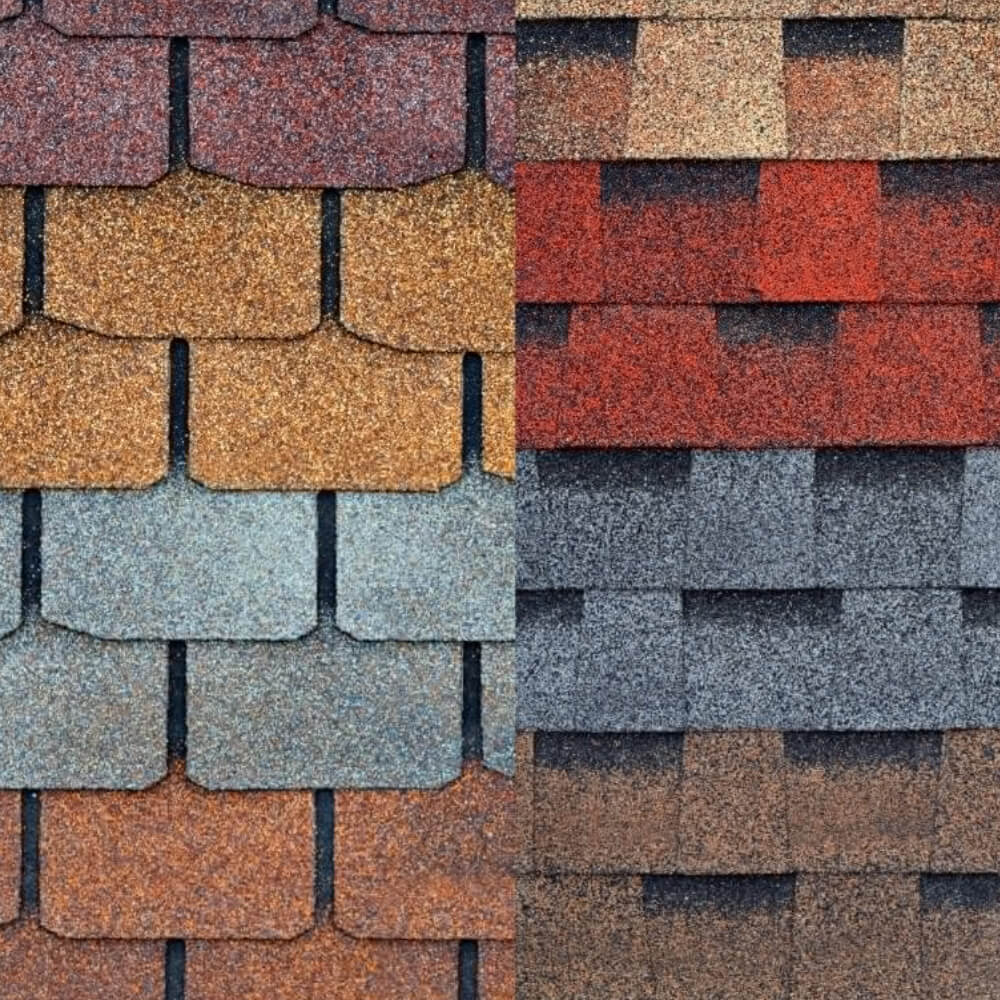
Residential roofing materials significantly impact a home’s aesthetics, longevity, and energy efficiency. Choosing the right material involves balancing factors such as cost, maintenance requirements, and environmental impact. This section explores common roofing materials, their comparative characteristics, and the environmental footprint associated with their production and use.
Comparative Analysis of Roofing Materials
Various materials are available for residential roofing, each with its own set of advantages and disadvantages. A comprehensive evaluation considers lifespan, cost, and maintenance.
- Asphalt Shingles: A popular and cost-effective option, asphalt shingles are widely available and relatively inexpensive to install. Their lifespan typically ranges from 15 to 30 years, depending on the quality and the level of maintenance. Maintenance involves regular inspections and repairs to prevent leaks and damage. A downside is their susceptibility to damage from severe weather and potential degradation over time.
- Metal Roofing: Metal roofing offers a longer lifespan, often exceeding 50 years, and boasts superior resistance to fire and extreme weather conditions. However, initial costs tend to be higher than asphalt shingles. Maintenance is generally low, requiring occasional cleaning and inspections. Metal roofing can reflect sunlight, potentially lowering energy bills.
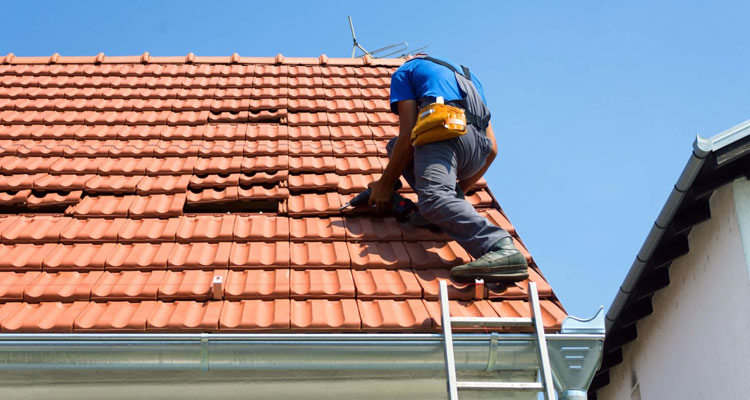
- Tile Roofing: Tile roofing, typically made from clay or concrete, provides an aesthetically pleasing and durable solution. Its lifespan is exceptionally long, often exceeding 50 years. The initial cost can be high, but the long-term savings on maintenance outweigh this. Tile roofing requires careful installation and occasional cleaning.
Environmental Impact of Roofing Materials
Evaluating the environmental impact of roofing materials is crucial for sustainable construction. This analysis considers the sourcing of raw materials, manufacturing processes, and recyclability.
| Material | Material Sourcing | Manufacturing Process | Recyclability |
|---|---|---|---|
| Asphalt Shingles | Typically sourced from local quarries or mines for the aggregate, with asphalt sourced from oil refineries. | Manufacturing involves mixing asphalt with aggregates, then applying to a shingle base. This process can involve volatile organic compounds (VOCs). | Recyclability varies; some components may be recycled, but not all parts are readily recyclable. |
| Metal Roofing | Metal sources vary (steel, aluminum, copper), often from global sources with potential environmental concerns related to transportation. | Manufacturing involves various processes, from smelting to shaping, and can have a significant carbon footprint. | Metal roofing materials are generally highly recyclable, reducing waste and minimizing the need for new material extraction. |
| Tile Roofing | Clay tiles often use locally sourced clay, while concrete tiles may involve the transportation of raw materials. | Clay tile production often involves high-temperature firing, impacting energy consumption. Concrete tile production involves mixing cement, sand, and aggregates. | Recyclability varies depending on the tile type and the recycling infrastructure available. Clay tiles can be reused in some cases. |
Types of Roofing Systems
Different roofing systems cater to various architectural styles and functional needs. The selection depends on the specific requirements of the project.
- Single-ply Roofing Systems: Single-ply roofing systems are often used for commercial buildings, but also for large residential projects. They are generally comprised of a single layer of waterproof membrane, such as EPDM or TPO, which are commonly used in modern roofing. These systems are often designed for flat or low-slope roofs.
- Built-up Roofing Systems: Built-up roofing (BUR) systems consist of multiple layers of roofing materials, often applied over a prepared surface. These systems are suitable for roofs with varying slopes and are particularly well-suited for projects requiring high durability and resistance to leaks.
- Standing Seam Metal Roofing Systems: Standing seam metal roofing systems, typically used for residential and commercial projects, offer high durability and long lifespans. These systems involve interlocking metal panels with standing seams, creating a watertight seal.
Roofing Installation and Maintenance
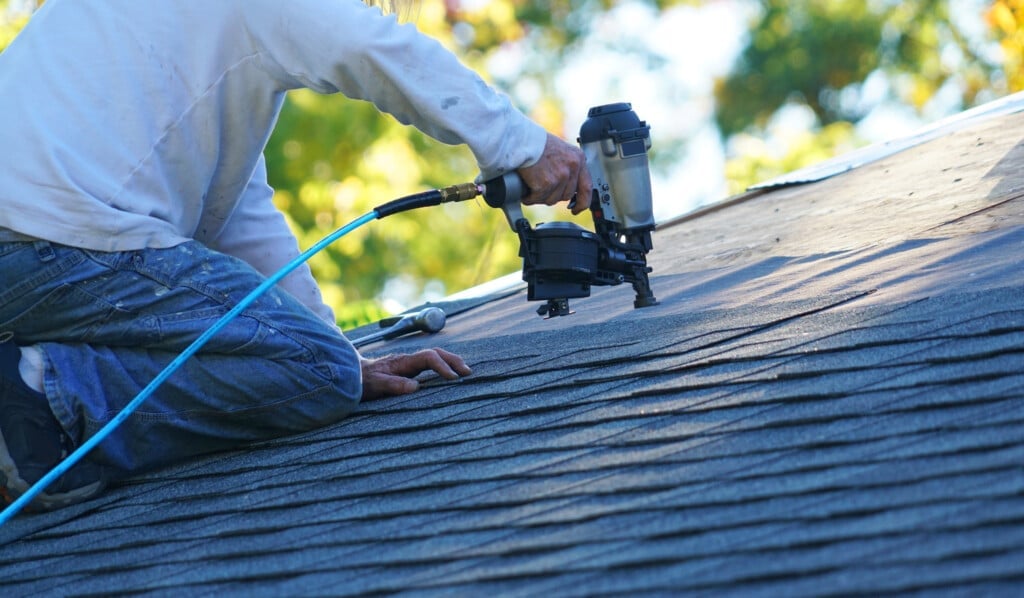
Residential roofing installation and maintenance are crucial aspects of homeownership. Proper installation ensures the structural integrity and longevity of the roof, while regular maintenance prevents costly repairs and extends its lifespan. This section delves into the essential steps involved in both processes, highlighting the importance of correct techniques and preventative measures.
Roofing installation, from initial preparation to completion, requires meticulous attention to detail. This meticulous process guarantees the structural soundness and weather resistance of the roof. Incorrect installation practices can lead to premature deterioration, leaks, and structural issues.
Residential Roofing Installation Steps
Careful preparation is paramount in residential roofing installation. This includes accurate assessment of the existing roof structure, careful material selection, and detailed planning of the installation process. Proper preparation ensures the new roof aligns seamlessly with the existing framework, mitigating potential issues. Detailed plans should include necessary safety measures, material requirements, and timelines. Following these steps minimizes installation errors and potential future problems.
- Site Preparation: This involves clearing the roof area of debris, securing necessary equipment, and ensuring a safe working environment. This critical initial step establishes a stable foundation for the roofing process.
- Underlayment Installation: Laying a waterproof underlayment is essential for protecting the roof deck and preventing water damage. This step creates a barrier between the roofing materials and the underlying structure.
- Sheathing Installation: The sheathing forms the base layer of the roof structure. Proper installation ensures the structural integrity and stability of the roof.
- Flashing Installation: Installing flashing around chimneys, vents, and other penetrations prevents leaks. Precise flashing installation is crucial to prevent water intrusion.
- Roofing Material Application: Applying the chosen roofing materials, such as asphalt shingles or tiles, follows specific guidelines. Correct application methods ensure a durable and aesthetically pleasing roof.
- Final Inspection and Clean-up: Thorough inspection and cleanup ensure a flawless installation and a safe working environment.
Roof Maintenance Procedures
Regular maintenance is crucial for extending the lifespan of a residential roof. Different roofing materials require specific maintenance procedures. Prompt maintenance can significantly reduce the risk of costly repairs.
- Asphalt Shingles: Regular cleaning to remove debris and moss is vital. Inspect for damaged or missing shingles and repair promptly. Addressing minor issues prevents major problems.
- Tile Roofs: Cleaning and inspecting for cracks or loose tiles is important. Proper cleaning techniques and periodic checks minimize long-term issues.
- Metal Roofs: Inspect for dents, rust, or loose fasteners. Regular cleaning to remove debris and dirt extends the roof’s lifespan.
Simple Roof Cleaning Procedure (Safety First!)
- Safety Gear: Wear appropriate safety gear, including sturdy shoes, gloves, eye protection, and a hard hat.
- Gather Supplies: Gather necessary tools like a soft-bristled brush, a garden hose, and a bucket.
- Water Application: Gently spray the roof with a garden hose to remove loose debris.
- Brush Cleaning: Use a soft-bristled brush to remove any remaining dirt or grime.
- Rinse and Dry: Rinse the roof thoroughly with clean water and allow it to dry completely.
Roof Repair Methods, Residential Roofing
Different repair methods address various types of damage. Understanding the type of damage allows for appropriate and effective repair.
| Type of Damage | Repair Method | Estimated Cost |
|---|---|---|
| Minor Leaks (e.g., small shingle damage) | Shingle replacement, sealant application | $100 – $500 |
| Major Leaks (e.g., large hole in the roof) | Full roof section replacement, flashing repair | $500 – $10,000+ |
| Hail Damage | Shingle replacement, repair of underlying structure | Variable, depending on the extent of damage |
| Tree Branch Damage | Shingle repair or replacement | Variable, depending on the extent of damage |
Factors Affecting Residential Roofing Costs
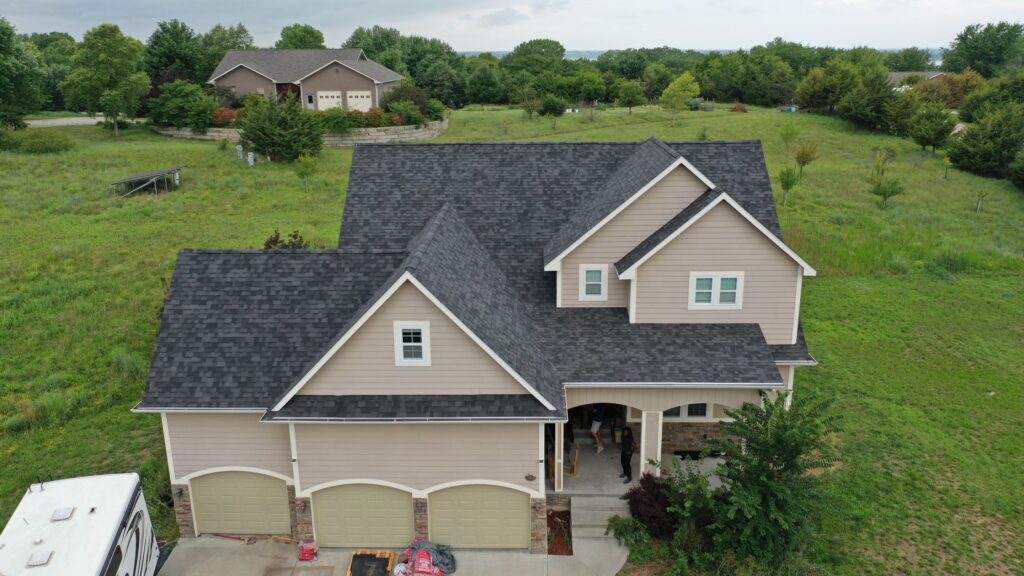
Residential roofing projects, from simple repairs to complete replacements, involve a complex interplay of factors. Understanding these elements is crucial for homeowners to budget effectively and make informed decisions. Accurate cost estimates depend on considering various variables, allowing for realistic expectations and potentially saving money.
Factors influencing residential roofing costs are multifaceted, impacting everything from material selection to labor rates and geographic location. Careful consideration of these variables is vital for accurately projecting the overall cost of a roofing project.
Material Selection
Material choice is a primary driver of roofing costs. Different materials have varying production, transportation, and installation costs. For instance, asphalt shingles, a common and relatively affordable option, have lower upfront costs compared to composite shingles, metal roofing, or slate. Furthermore, the specific type of asphalt shingle (e.g., 3-tab, architectural) influences the price. Higher-quality materials, such as those featuring advanced protective coatings or specialized features, often command a premium.
Labor Costs
Labor costs significantly contribute to the total roofing project expense. Factors like the complexity of the roof structure, the size of the project, and the geographical location of the roofing contractor all impact labor rates. A steep, complex roof or a larger property requiring more labor hours will naturally increase the overall labor cost. Skilled labor with specialized training in specific roofing techniques will also typically command higher wages.
Geographic Location
Geographic location plays a significant role in residential roofing costs. Regional differences in material availability, labor rates, and building codes influence the final price. Areas with high labor costs or limited material availability will inevitably see higher roofing project expenses. Additionally, areas prone to extreme weather conditions, such as heavy snowfall or high winds, may require specialized roofing systems, increasing the project cost.
Detailed Estimate for Replacing a Typical Residential Roof
This example estimates the cost of replacing a typical residential roof with asphalt shingles. The cost varies greatly based on specific project details.
| Category | Description | Estimated Cost |
|---|---|---|
| Materials | Asphalt shingles, underlayment, and accessories | $4,000-$8,000 |
| Labor | Roofing installation by qualified contractors | $3,000-$6,000 |
| Permitting | Necessary building permits and inspections | $200-$500 |
| Disposal | Proper disposal of old roofing materials | $100-$300 |
| Total | Estimated total cost for replacement | $7,300-$14,800 |
Comparing Roofing Project Costs
The cost of a small roof repair differs significantly from a complete roof replacement. A simple repair, such as fixing a damaged shingle or replacing a small section of damaged underlayment, typically involves less labor and fewer materials, leading to a lower cost. A complete replacement, on the other hand, necessitates significant labor, substantial material acquisition, and often requires specialized equipment, all of which contribute to a substantially higher cost.
Calculating Overall Project Cost
To calculate the overall cost of a roofing project, consider the following:
| Item | Calculation | Example |
|---|---|---|
| Materials | Quantity of materials × unit price | 200 shingles × $5/shingle = $1000 |
| Labor | Hours of labor × hourly rate | 40 hours × $50/hour = $2000 |
| Permitting | Fixed cost associated with permits | $300 |
| Total Cost | Materials + Labor + Permitting + Disposal | $1000 + $2000 + $300 + $100 = $3400 |
End of Discussion: Residential Roofing
In conclusion, understanding residential roofing involves careful consideration of materials, installation, maintenance, and cost factors. By evaluating different options and following proper maintenance routines, homeowners can significantly extend the lifespan of their roofs and ensure their homes remain well-protected. The information provided in this guide offers a clear and concise roadmap for making informed decisions regarding your roofing needs.